Checking Out the Growing Need for Cooling And Heating Employees in Todays Task Market
The heating and cooling market is experiencing a remarkable rise popular for skilled workers. This pattern is mostly affected by the growing concentrate on energy performance and sustainable methods. As innovation progresses, the need for service technicians that can adjust to new systems becomes important. Governing adjustments are reshaping the landscape. What variables are contributing to this change, and how can aiming professionals position themselves for success in this increasing field?
Aspects Driving the Demand for Cooling And Heating Professionals
As the worldwide emphasis on power efficiency intensifies, the need for a/c specialists remains to climb. This increased demand is driven by numerous variables, including the growing focus on lasting building techniques and the application of stricter energy codes. Lots of organizations and house owners are looking for to minimize their carbon footprints, motivating a change towards energy-efficient heating, air flow, and air conditioning systems. In addition, the growth of clever innovation in cooling and heating systems necessitates proficient service technicians that can install and maintain these innovative systems. The aging facilities of existing heating and cooling devices adds to the need too; older systems need substitute or upgrades to satisfy modern-day performance criteria. Populace growth and urbanization are leading to a higher demand for environment control in industrial and household spaces. Together, these factors create a durable work market for heating and cooling professionals, highlighting the importance of their function in today's economic situation.
Essential Skills and Training for Cooling And Heating Careers
A strong structure of important abilities and training is crucial for success in heating and cooling jobs. Specialists have to have an extensive understanding of air, home heating, and ventilation conditioning systems, including their setup, maintenance, and fixing. Effectiveness in checking out blueprints and technological manuals is essential, as is a solid understanding of mechanical and electric systems.
On top of that, analytical abilities are essential, allowing technicians to detect concerns properly and carry out options quickly. Hands-on experience, frequently gained via instructions or professional training programs, offers sensible knowledge that complements theoretical understanding.
Certifications, such as those from the Environmental Protection Firm (EPA) or the North American Technician Quality (NATE), boost a technician's credentials and bankability. Solid communication abilities are crucial for connecting with customers and understanding their demands. Continual education and training in emerging modern technologies are additionally essential to stay affordable in this developing area.
The Influence of Energy Effectiveness on Cooling And Heating Employment
With growing concerns concerning climate modification and climbing energy prices, the demand for energy-efficient heating and cooling services has considerably affected employment opportunities in the market. As customers and companies look for to minimize energy consumption, cooling and heating business are increasingly concentrating on innovative technologies and sustainable methods. This shift has actually developed a need for experienced professionals that are learnt energy-efficient systems, such as smart thermostats and geothermal devices.
Additionally, governing adjustments focused on enhancing power effectiveness requirements have additionally fueled work growth. Heating and cooling professionals should remain updated on these policies, improving their certifications and bring in more employees to the field. Additionally, the focus on retrofitting existing systems to satisfy power standards has actually opened up brand-new methods for employment. On the whole, the focus on power efficiency not just reacts to market demands but also promotes an extra lasting workforce, ultimately improving the cooling and heating employment landscape in substantial ways.
Profession Opportunities and Advancement in the Cooling And Heating Market
Although the heating and cooling industry deals with developing obstacles, it additionally offers a riches of job chances and paths for improvement. As need for skilled technicians proceeds to increase, people entering this field can find various functions, from setup to repair and maintenance. Entry-level placements typically serve as stepping rocks, providing hands-on experience and crucial training.
Additionally, with extra qualifications and specialized training, heating and cooling professionals can seek innovative roles such as system style, energy bookkeeping, and job administration. Numerous redirected here business also offer chances for development into supervisory or monitoring settings, allowing employees to handle management duties within their companies.
The heating and cooling market even more urges constant learning, making it possible for employees to stay current with technical developments and power effectiveness criteria (HVAC Jobs Only). This dedication why not look here to specialist growth promotes a dynamic workplace, making the heating and cooling market an appealing option for those seeking a rewarding and steady job path
The Future of Heating And Cooling Jobs in a Transforming Economic climate
As the HVAC industry develops in feedback to a changing economic situation, the landscape of task opportunities is changing significantly. Advances in modern technology, especially in energy effectiveness and clever home systems, are producing a need for competent service technicians who can browse complicated setups and repairs. The growing concentrate on sustainability is also bring about boosted opportunities in the installment and upkeep of environment-friendly systems.
Furthermore, the aging labor force poses challenges, as several seasoned heating and cooling employees retire, leaving a space that more youthful professionals have to fill. Educating programs and apprenticeships are coming to be vital to gear up beginners with the needed abilities. Employers are most likely to focus on prospects with expertise in both standard cooling and heating systems and arising technologies.
Furthermore, the rise of remote work and changing consumer choices may cause technologies in service shipment, further increasing work functions within the a/c sector. In general, the future of cooling and heating work appears durable, driven by technological improvements and progressing market requirements
Frequently Asked Concerns
What Is the Typical Wage for A/c Technicians Today?

Since 2023, the ordinary wage for cooling and heating service technicians in the USA is roughly $50,000 annually. Variables influencing this number include experience, place, and the intricacy of the systems being serviced.

Are There Age Limitations for Getting In A/c Training Programs?
Many heating and cooling training programs do not enforce strict age restrictions. Normally, participants must be at the very least 18 years old, however some programs may accept younger people with adult consent or senior high school completion demands.
The length of time Does It Take to Become HVAC Licensed?
Usually, it takes six months to two years to become cooling and heating accredited, depending on the program and prior experience. Several people select to complete apprenticeships, which can even more improve their skills and understanding in the area.
What Types of Firms Work With Cooling And Heating Professionals?
Numerous her explanation companies hire cooling and heating specialists, including business and property heating and cooling specialists, building and construction firms, residential or commercial property management companies, energy service carriers, and federal government companies. Furthermore, production and maintenance organizations commonly seek proficient a/c service technicians for their procedures.
Is Relocation Common for Cooling And Heating Task Opportunities?
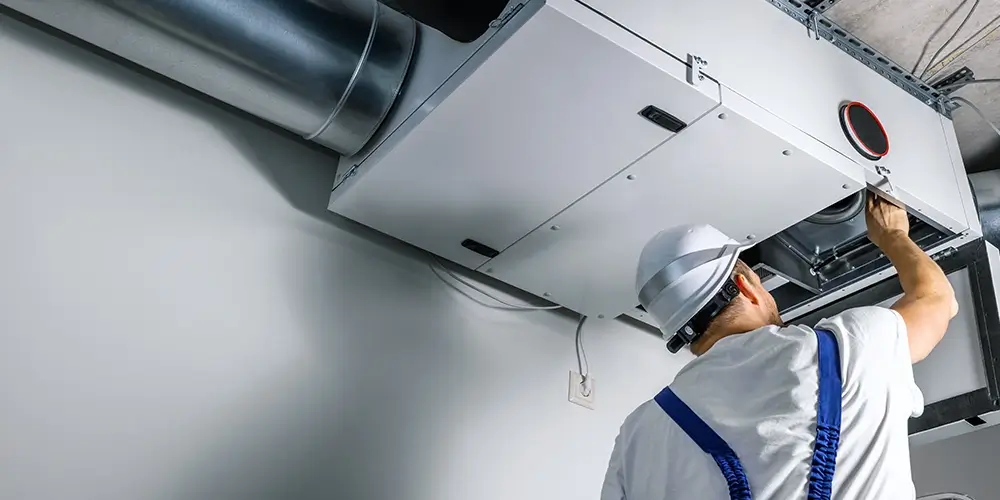
As the global focus on energy effectiveness increases, the demand for HVAC professionals continues to rise. Additionally, the expansion of smart technology in HVAC systems necessitates knowledgeable technicians who can set up and maintain these advanced systems. The aging infrastructure of existing Heating and cooling systems contributes to the demand as well; older systems require replacement or upgrades to satisfy modern-day performance requirements. With added accreditations and specialized training, Cooling and heating experts can go after advanced roles such as system layout, power auditing, and project administration. Various business work with Heating and cooling experts, consisting of domestic and commercial Cooling and heating professionals, building firms, building administration companies, power service carriers, and government firms.